
When people think about creating a beautiful home, their attention often goes straight to statement furniture, premium flooring, designer lighting and elegant wall finishes. While these elements play an important role, they are not the only things that make an interior feel sophisticated.
Often, it is the smaller details that bring everything together.
The way lighting falls across a wall, the coordination of materials, the placement of electrical fittings and even the finish of a switchboard can influence how a space looks and feels. These details may not immediately attract attention, but they contribute to the overall impression of a thoughtfully designed home.
Creating a premium-looking interior does not always mean spending more. It means making considered choices, maintaining visual consistency and paying attention to elements that are often overlooked.
Here are some details worth considering when designing a home that feels polished, comfortable and timeless.
1. Create a Consistent Colour Palette
One of the defining characteristics of a well-designed interior is the way its colours work together.
A room may feature beautiful furniture and decorative accessories, but too many unrelated colours can make the space feel visually disconnected. A coordinated palette, on the other hand, creates a sense of balance.
Start with a few complementary shades and build the interior around them. Neutral colours such as beige, cream, grey and warm white can provide a versatile foundation. Wooden textures, metallic accents or carefully selected darker shades can then introduce contrast.
The same approach should extend to smaller elements, including door handles, switch plates, sockets and decorative hardware.
The objective is not to make everything identical. It is to ensure that different elements feel like part of the same design.
2. Choose Materials That Complement Each Other
Materials have a significant influence on how an interior is perceived.
Natural wood can introduce warmth, glass can create a lighter and more refined appearance, while metal finishes can add definition to contemporary spaces.
However, combining different materials requires some thought. Too many competing textures and finishes can make a room feel busy.
Consider how the furniture, flooring, wall treatments, lighting fixtures and electrical accessories relate to one another.
For example, an interior featuring wooden furniture and warm neutral walls may benefit from finishes that complement those materials. Similarly, a contemporary space with glass surfaces and metallic accents may look more cohesive when smaller fittings follow a related design direction.
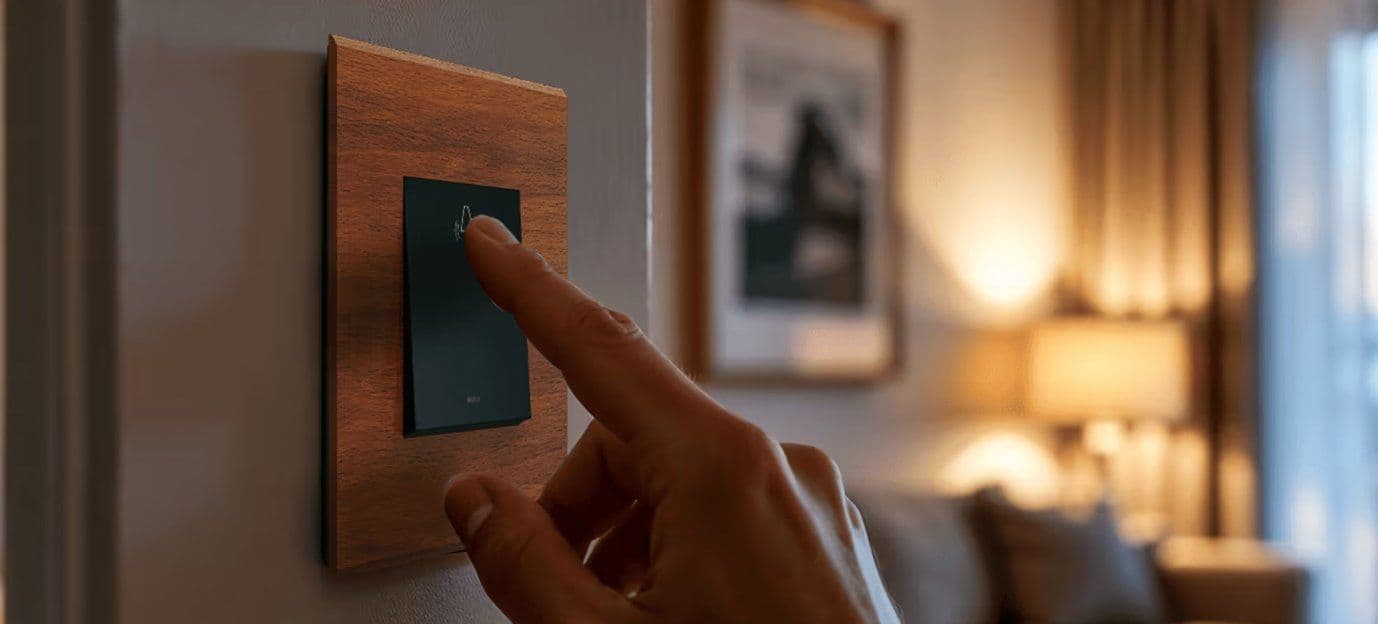
Wipro North-West offers different finish options within its Artisa range, including Real Glass, Real Metal, Real Wood and Premium Colours. These choices provide homeowners and interior designers with additional possibilities when coordinating switchboards with their interior material palette.
3. Treat Lighting as Part of the Interior Design
Lighting can completely change the atmosphere of a room.
Even an expensive interior can feel ordinary under harsh or poorly positioned lighting. Thoughtfully planned illumination, however, can highlight architectural features, bring out material textures and create a more comfortable environment.
Instead of relying on a single ceiling light, consider combining three lighting approaches:
- Ambient lighting: Provides general illumination throughout the room.
- Task lighting: Supports specific activities such as reading, cooking and working.
- Accent lighting: Highlights artwork, textured walls, display shelves and architectural details.
The ability to control different lighting arrangements also matters.
For example, a living room may require brighter illumination when entertaining guests and softer lighting during the evening. Separate switching arrangements and compatible dimmers can help create this flexibility.
Wipro North-West offers modular switches and electrical accessories that can be considered when planning these lighting controls.
4. Do Not Overlook Switchboards and Electrical Fittings
Switchboards are among the most frequently used elements in a home. They are also visible in almost every room, making them an important part of the interior's overall appearance.
Yet, they are often selected only after the major design decisions have been completed.
Imagine a room with carefully selected wall panels, elegant furniture and coordinated lighting. A switchboard with an unrelated finish or inconvenient placement can interrupt the visual balance.
A better approach is to include electrical fittings in the interior planning process.
Consider the wall colour, surrounding materials, furniture placement and the overall design language before selecting a switchboard.
Wipro North-West offers a portfolio of modular switch ranges, including Artisa, Artisa Neo, Stylus+, Convex, Nowa, Venia and Celestia. These ranges offer different design directions for homeowners and interior professionals to explore according to their preferences and project requirements.
5. Pay Attention to Hardware and Finishing Details
Door handles, cabinet pulls, hinges and other hardware may appear to be minor additions, but they contribute to the overall character of an interior.
For example, a kitchen with carefully selected cabinetry can look more complete when its handles and fittings complement the cabinet finish.
Similarly, door hardware in a bedroom or living area should work naturally with the surrounding colours and materials.
Consistency is particularly important here. If the interior features warm metallic accents, introducing several unrelated hardware finishes may create unnecessary visual contrast.
Small details are most effective when they support the overall design rather than compete for attention.
6. Keep Furniture and Electrical Layouts Well Coordinated
A premium interior is not just about appearance. It should also feel comfortable and practical to use.
Furniture placement and electrical planning should therefore be considered together.
For example, bedroom switchboards should be positioned with the bed and bedside tables in mind. Living rooms may require electrical points around television units, entertainment systems and frequently used furniture arrangements.
Home offices need suitable access to sockets and charging points, while kitchens require careful coordination between electrical points, appliances and cabinetry.
Planning these requirements early can prevent inconvenient switch positions, exposed cables and unnecessary modifications after the interior work is complete.
A well-organised electrical layout makes everyday activities easier while helping maintain a clean appearance.
7. Avoid Unnecessary Visual Clutter
One quality often associated with sophisticated interiors is visual balance.
This does not mean that every home needs to follow a minimalistic design. Rather, every element should have a clear purpose.
Too many decorative objects, exposed wires, mismatched accessories and competing finishes can make a room feel crowded.
A few practical steps can help:
- Keep visible cables organised.
- Avoid overcrowding shelves and display surfaces.
- Choose decorative elements that complement the room.
- Coordinate electrical accessories with surrounding finishes.
- Allow important design features enough visual space.
Sometimes, removing unnecessary elements can improve the appearance of a room more effectively than adding new ones.
8. Plan the Small Details Before the Final Stage
One common mistake during home renovation is leaving smaller decisions until the end.
By that point, flooring, furniture, false ceilings and wall finishes may already be finalised. Electrical fittings and other accessories are then selected based on convenience rather than how well they complement the overall design.
A more thoughtful approach is to consider these details during the initial planning stage.
Discuss lighting requirements, switchboard positions, socket locations, hardware finishes and furniture layouts with your architect or interior designer.
This is also the right time to explore different switch designs and configurations.
Wipro North-West's modular switch portfolio offers options for different residential interiors, allowing homeowners and professionals to consider electrical fittings alongside the broader design plan.
The result should be a space where functionality and aesthetics work together naturally.
Conclusion
A beautifully designed home is not created by expensive furniture or decorative materials alone. It is the thoughtful combination of colours, textures, lighting, furniture and functional details that makes a space feel complete.
From coordinated hardware and carefully positioned lighting to the finish of a switchboard, every element contributes to the overall experience of a home.
With its diverse portfolio of modular switches, Wipro North-West offers homeowners, architects and interior designers different options to explore when bringing electrical functionality and interior aesthetics together.
Ultimately, creating a sophisticated home is not always about adding more. It is about choosing the right elements, paying attention to the details and allowing everything to work in harmony.
Because true elegance is often found in the details that bring everything together.
Frequently Asked Questions
1. What makes a home interior look more expensive?
A coordinated colour palette, suitable lighting, complementary materials, well-planned furniture arrangements and attention to smaller finishing details can create a more refined appearance.
2. Do switchboards really make a difference to interior design?
Yes. Switchboards are visible and frequently used elements of a home. Their finish, colour, design and placement can influence how well they complement the surrounding interior.
3. How do I choose switchboard finishes for my home?
Consider the wall colours, furniture, flooring and other materials in the room. Select a finish that complements the overall design while meeting the functional and electrical requirements of the space.
4. Why is lighting important in creating a premium interior?
Lighting influences the atmosphere, visual depth and functionality of a room. Combining ambient, task and accent lighting can make an interior feel more balanced and adaptable.
5. Which Wipro North-West switch range can I consider for a premium interior?
Artisa is a premium, design-led range featuring Real Glass, Real Metal, Real Wood and Premium Colours finish options. Homeowners can also explore Artisa Neo, Stylus+, Celestia and other ranges according to their design preferences and requirements.
6. When should electrical fittings be selected during home renovation?
Ideally, electrical fittings should be considered during the initial electrical and interior planning stages. This allows switchboard positions, socket requirements, lighting controls and finishes to be coordinated with the overall layout.