
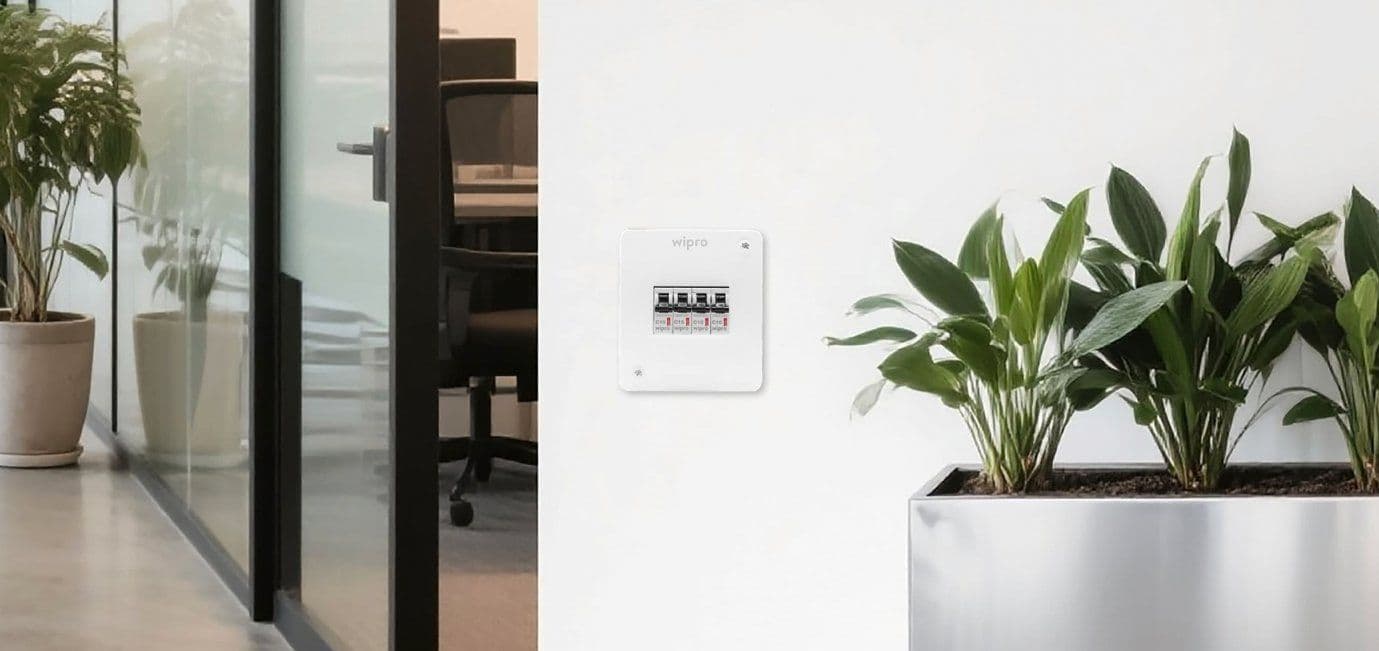
An MCB that keeps tripping can interrupt everyday activities, from using kitchen appliances to working from home. While it may seem like a minor inconvenience, repeated tripping can indicate an electrical problem that needs attention.
A Miniature Circuit Breaker (MCB) is designed to automatically disconnect a circuit when certain overcurrent conditions occur, such as an overload or short circuit. Understanding why an MCB trips can help homeowners recognise warning signs, avoid unsafe practices and know when professional assistance is necessary.
What Is an MCB and How Does It Work?
An MCB is an electrical protection device used to protect circuits against excessive current. When the current exceeds its specified operating limits, the MCB trips and interrupts the electrical supply to the affected circuit.
Unlike a traditional fuse, an MCB can be reset once the underlying fault has been identified and safely resolved. MCBs are commonly used in homes, offices and commercial electrical installations, where they form an important part of the electrical protection system.
5 Common Reasons Why an MCB May Keep Tripping
1. Overloaded Electrical Circuits
An overload occurs when the current drawn by connected appliances exceeds the circuit's intended capacity. For example, operating several high-power appliances on the same circuit may result in excessive electrical demand.
An appropriately selected MCB can disconnect the circuit when its overload protection operates. If this happens repeatedly, a qualified electrician should assess the circuit and connected loads rather than simply replacing the breaker with a higher-rated device.
2. Short Circuits
A short circuit occurs when an unintended electrical connection creates a path for excessive current to flow. This may result from damaged wiring, defective electrical equipment or deteriorated insulation.
A correctly selected MCB is designed to interrupt short-circuit current within its specified limits. If the breaker trips immediately or there are signs of electrical damage, the affected circuit should be left disconnected until a qualified electrician has investigated the problem.
3. Faulty Electrical Appliances
Sometimes, the problem may originate from an appliance rather than the circuit breaker itself. An appliance with damaged internal wiring or another electrical defect may cause an overcurrent fault.
If an MCB repeatedly trips when a particular appliance is switched on, that appliance may require professional inspection. However, not every appliance fault causes an MCB to trip, so the actual cause should be confirmed through appropriate testing.
4. Damaged Electrical Wiring
Electrical wiring can deteriorate over time due to ageing, mechanical damage, overheating or moisture exposure. Certain wiring faults may cause excessive current and activate an MCB.
Visible cable damage, unusual heating or repeated electrical interruptions should never be ignored. A qualified electrician can inspect the installation and determine whether repairs or other corrective measures are required.
5. Incorrect MCB Selection
MCBs are available with different current ratings, pole configurations and operating characteristics. Selecting the correct device requires consideration of the circuit design, conductor capacity, expected electrical load and prospective fault current.
An incorrectly selected MCB may not provide the intended protection. This is why MCB selection, installation and replacement should always be handled by qualified electrical professionals.
What Should You Do If Your MCB Keeps Tripping?
If an MCB trips, first check for warning signs such as smoke, burning smells, visible damage or unusual heating. If any of these are present, do not attempt to reset the breaker. Keep away from the affected equipment and seek professional assistance.
Avoid repeatedly resetting an MCB without identifying the cause. If the breaker continues to trip, trips immediately or the reason is unclear, leave the affected circuit disconnected and contact a qualified electrician.
It is also important never to replace an MCB with a higher-rated device simply to stop frequent tripping. The breaker must be correctly matched to the circuit's electrical requirements.
Understanding Wipro North-West Fianza MCBs
Selecting an appropriate MCB is an important part of electrical circuit protection. Wipro North-West offers the Fianza range of Miniature Circuit Breakers for applications including homes, offices, shops and small industries.
According to the Fianza product brochure, the range includes SP, SPN, DP, TP, TPN and FP configurations, along with C-curve variants available in different current ratings. These configurations support different electrical installation requirements.
The brochure also highlights features such as a trip-free mechanism, IP20 protection rating, padlocking facility, low power consumption and ease of installation. A three-year warranty is also listed among the product features.
These specifications provide useful information for electrical professionals evaluating circuit protection devices. However, the appropriate MCB must always be selected according to the installation's technical requirements and applicable electrical standards.
Does an MCB Protect Against Electric Shock?
A standard MCB is primarily designed to protect against overcurrent conditions, including overloads and short circuits. It is not a substitute for dedicated residual-current protection.
Depending on the installation, devices such as Residual Current Circuit Breakers (RCCBs) or Residual Current Breakers with Overcurrent Protection (RCBOs) may be required to provide additional protection against specified residual-current faults.
A qualified electrician should determine the appropriate combination of protective devices for the electrical installation.
Conclusion
Frequent MCB tripping may indicate an overloaded circuit, a short circuit, faulty electrical equipment or another issue requiring investigation. Understanding these causes helps homeowners recognise potential problems and take appropriate precautions.
Wipro North-West's Fianza MCB range offers different configurations and documented product features for electrical professionals to consider when selecting circuit protection devices. Correct selection, professional installation and timely fault investigation remain essential to electrical safety.
Frequently Asked Questions
1. Why does my MCB trip when I turn on an appliance?
An appliance may cause excessive current or a short circuit due to an electrical defect. If the problem occurs repeatedly, a qualified electrician should inspect the appliance and affected circuit.
2. Is it safe to reset an MCB repeatedly?
No. Repeatedly resetting a tripping MCB without identifying the underlying fault can be unsafe. The cause should be investigated before the circuit is returned to normal operation.
3. Can I install a higher-rated MCB to stop frequent tripping?
A higher-rated MCB should not be installed without a professional assessment. The breaker rating must be appropriate for the circuit design and wiring capacity.
4. What is the difference between an MCB and an RCCB?
An MCB provides protection against specified overcurrent conditions, such as overloads and short circuits. An RCCB detects residual-current imbalance and provides a different form of electrical protection. An RCCB does not itself provide overload or short-circuit protection.
5. What types of Fianza MCBs does Wipro North-West offer?
The Fianza range includes SP, SPN, DP, TP, TPN and FP configurations. The product brochure lists C-curve variants with different current ratings for various electrical installation requirements.
Final Thought
An MCB that trips repeatedly should never be ignored. Rather than simply restoring the power, the priority should be to identify the cause and ensure that the electrical installation is safe.
Reliable electrical protection begins with appropriate devices, proper installation and responsible maintenance.