
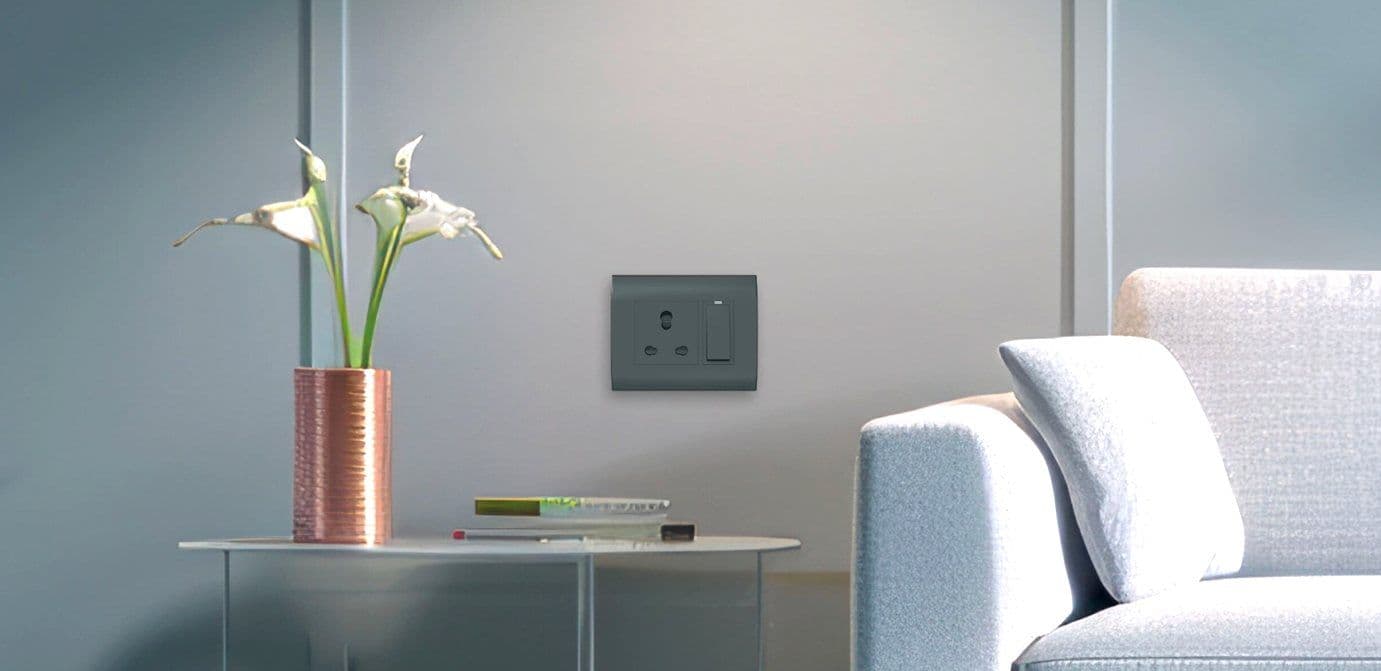
When homeowners plan a new home or renovate an existing one, most of the attention goes towards flooring, furniture, lighting, and wall finishes. Electrical accessories, especially switch boards, are often chosen much later in the process.
At Wipro North-West, we've seen that this approach can lead to missed opportunities. A switch board is one of the most frequently used electrical accessories in any home. It should not only function reliably but also blend seamlessly with your interiors and adapt to your family's changing electrical needs.
One of the most common questions we receive is:
"Should I choose a traditional switch board or invest in a modular one?"
The answer depends on your home, your lifestyle, and your long-term plans. In this guide, we'll compare both options and explain why modular switch boards have become the preferred choice for many modern homes.
Quick Answer
If you're building a new home or undertaking a major renovation, modular switch boards are generally the better long-term choice.
They offer:
- Greater flexibility
- Easier maintenance
- Modern aesthetics
- Better scalability
- Compatibility with evolving electrical requirements
Traditional switch boards continue to be suitable for basic installations and certain replacement projects, but for most contemporary homes, modular systems provide greater convenience and long-term value.
Understanding the Difference
Although both types of switch boards perform the same basic function, the way they are designed and maintained is very different.
Traditional Switch Boards
Traditional switch boards use a fixed plate where switches and sockets are installed together as one assembly.
They have been widely used in Indian homes for decades and continue to perform reliably in many existing properties.
They are often selected when replacing older electrical fittings or when the electrical layout is unlikely to change.
Modular Switch Boards
Modular switch boards use individually replaceable modules that fit within a common frame.
Each switch, socket, dimmer, USB charger, or accessory can be installed or replaced independently.
This flexibility has made modular systems increasingly popular for modern homes where electrical requirements continue to evolve.
At Wipro North-West, our modular switch ranges are designed with this philosophy in mind—combining dependable performance with clean aesthetics and practical everyday usability.
Wipro North-West Perspective
One trend we've consistently observed is that homeowners no longer view switch boards as purely functional products.
Today's customers expect electrical accessories to complement their interiors while supporting modern lifestyles that include multiple charging devices, entertainment systems, home offices, and smart technologies.
That's why our approach focuses on creating modular solutions that balance:
- Elegant design
- Everyday reliability
- Flexibility for future upgrades
- Ease of maintenance
A switch board should work beautifully—not just on the day it's installed, but for many years afterwards.
Modular vs Traditional Switch Boards: Side-by-Side Comparison
| Feature | Modular Switch Board | Traditional Switch Board |
|---|---|---|
| Design | Modern, sleek and premium | Conventional appearance |
| Flexibility | Individual modules can be added or replaced | Fixed configuration |
| Maintenance | Easier to replace individual components | Often requires replacing larger sections |
| Interior Compatibility | Excellent for modern interiors | Better suited to older installations |
| Future Expansion | Designed for upgrades | Limited flexibility |
| Long-Term Value | Higher | Moderate |
Which Option Works Best for Different Homes?
Traditional Switch Boards May Be Suitable If:
- You're replacing switch boards in an older property.
- Your electrical layout will remain unchanged.
- Budget is the primary consideration.
- The installation is relatively basic.
Modular Switch Boards Are Ideal If:
- You're building a new home.
- You're renovating your interiors.
- You want a cleaner and more contemporary appearance.
- You expect your electrical requirements to grow.
- You value easier maintenance.
For most new residential projects, modular systems provide greater flexibility and a better long-term ownership experience.
What We Often Recommend at Wipro North-West
One piece of advice we regularly share with homeowners is to think beyond today's electrical requirements.
Many families initially install only the switches and sockets they currently need. A few years later, additional charging stations, workspaces, entertainment systems, and smart devices require more electrical points.
Planning spare module capacity during installation is often far simpler and more economical than modifying the electrical layout later.
Small decisions during construction can make a significant difference over the lifetime of a home.
Common Mistakes We See During Renovations
Based on conversations with homeowners and electricians, these are some of the most common planning mistakes:
- Choosing switch boards solely based on price.
- Installing too few sockets in living rooms.
- Forgetting future charging requirements.
- Selecting designs that don't match the home's interiors.
- Ignoring the importance of long-term maintenance.
Careful planning helps avoid unnecessary modifications and creates a more practical living environment.
Buying Checklist
Before making your decision, ask yourself:
- Am I building a new home or renovating?
- Will my electrical requirements increase over time?
- Do I want a switch board that complements my interiors?
- Will future maintenance be simple?
- Am I choosing long-term value instead of just the lowest upfront cost?
If the answer to most of these questions is "yes," a modular switch board is likely to be the better investment.
Frequently Asked Questions
Are modular switch boards worth the additional investment?
For many homeowners, yes. The flexibility, ease of maintenance, and ability to adapt to future electrical needs often make them a worthwhile long-term choice.
Can I replace a traditional switch board with a modular one?
In many cases, yes. A qualified electrician can assess your existing wiring and recommend the most suitable upgrade.
Which option is better for a new home?
For most newly built homes, modular switch boards provide greater flexibility, modern aesthetics, and better support for future expansion.
Do modular switch boards require more maintenance?
No. In fact, one of their advantages is that individual modules can often be replaced without changing the complete switch board.
Final Thoughts
Choosing between a traditional and a modular switch board isn't simply about following design trends—it's about selecting an electrical solution that matches the way you live today and the way your home may evolve tomorrow.
At Wipro North-West, we believe electrical accessories should do more than perform a function. They should enhance everyday convenience, integrate naturally with modern interiors, and provide dependable performance for years to come.
Whether you're planning your first home, renovating an apartment, or upgrading an existing electrical system, taking the time to choose the right switch board is an investment in your home's comfort, safety, and long-term usability.