
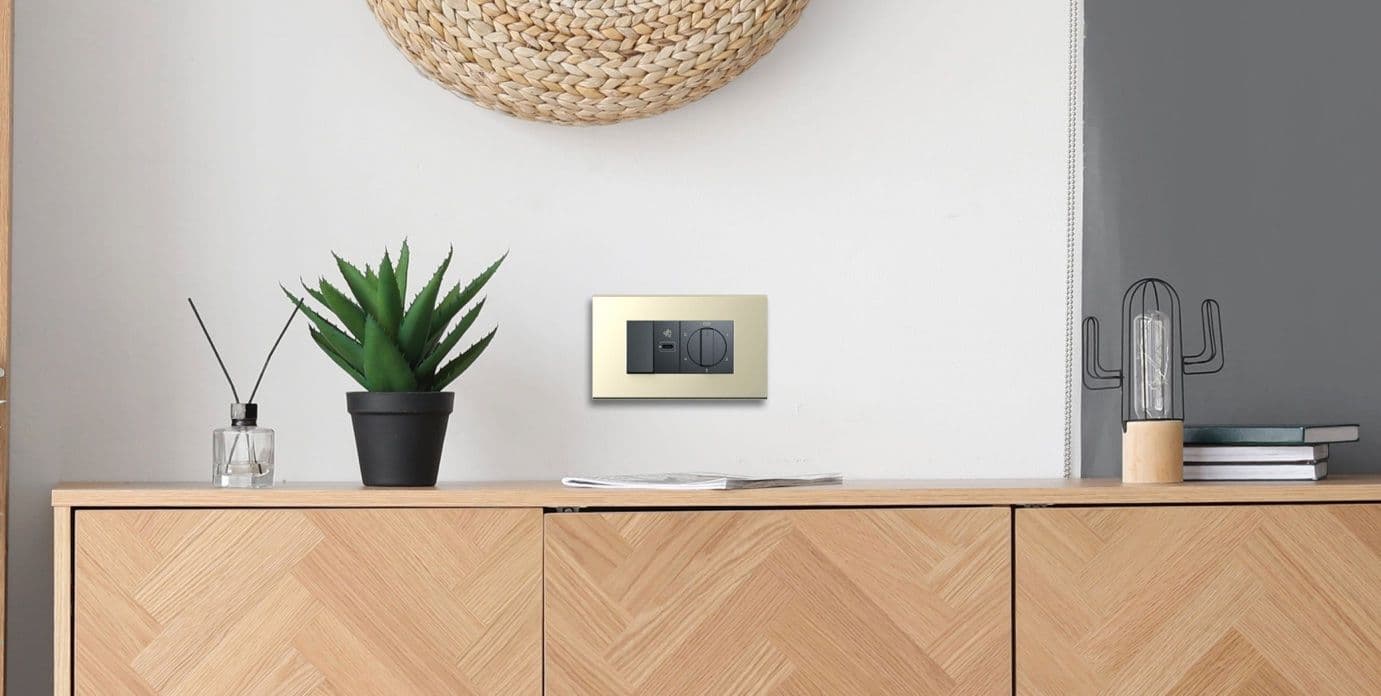
Most homeowners spend weeks selecting flooring, furniture, lighting, and paint colours—but only a few minutes choosing their switch boards.
Yet, a switch board is one of the most frequently used electrical components in your home. Every day, you rely on it to control lights, fans, appliances, charging points, and other essential electrical systems. Choosing the wrong switch board can lead to inconvenience, limited expansion options, and costly modifications in the future.
Whether you're building a new home, renovating an existing one, or simply replacing outdated electrical accessories, selecting the right switch board deserves careful planning.
This guide explains everything you need to know before making your decision—from module sizes and room planning to safety, design, and future-proofing your home.
Quick Answer
If you're wondering which switch board is best for a modern home, the answer depends on your electrical requirements, room layout, and future expansion plans.
For most homeowners, modular switch boards are the preferred choice because they offer:
- Greater flexibility
- Easier maintenance
- Better aesthetics
- Convenient upgrades
- Long-term reliability
Choosing the right switch board today can save both time and money in the future.
Why Choosing the Right Switch Board Matters
Many people assume that all switch boards perform the same function. While every switch board controls electrical connections, the quality, layout, and design can significantly influence how convenient and efficient your home feels.
A well-planned switch board offers several advantages:
- Easy access to switches and sockets
- Better organisation of electrical points
- Improved safety
- Cleaner interior appearance
- Flexibility for future upgrades
Instead of treating it as just another electrical accessory, think of your switch board as an investment in your home's long-term functionality.
7 Things Every Homeowner Should Check Before Buying a Switch Board
1. Understand Your Room's Requirements
Every room serves a different purpose, and its electrical needs vary accordingly.
For example:
Living Room: Usually requires multiple switches for lighting, fans, television units, charging points, and decorative lighting.
Bedroom: Needs switches for lights, fans, bedside charging, air conditioning, and sometimes additional sockets for workstations.
Kitchen: Typically demands more power outlets because of appliances such as microwaves, mixers, refrigerators, and water purifiers.
Bathroom: Requires carefully positioned switch boards that prioritise safety while remaining convenient to use.
Planning room by room helps ensure every switch board has the right number of switches and sockets.
2. Choose the Right Module Size
One of the most important decisions is selecting the correct module size.
Common options include:
| Module Size | Suitable For |
|---|---|
| 6 Module | Bathrooms, utility areas, compact bedrooms |
| 8 Module | Bedrooms, study rooms, guest rooms |
| 12 Module | Living rooms, kitchens, larger spaces |
Choosing a slightly larger switch board than your immediate needs often proves beneficial, especially if you plan to add more electrical accessories later.
3. Prioritise Safety Above Everything Else
No matter how attractive a switch board looks, safety should always remain the top priority.
Before purchasing, ensure:
- The product meets recognised quality standards.
- Installation is carried out by a qualified electrician.
- The switch board is suitable for the intended electrical load.
- High-power appliances have dedicated electrical circuits where required.
Reliable electrical accessories contribute to both safety and long-term peace of mind.
4. Consider Material Quality
A switch board is used countless times throughout its lifetime.
Choosing products made from durable, high-quality materials helps ensure:
- Better durability
- Smooth switch operation
- Reduced wear over time
- Consistent performance
Investing in quality often reduces maintenance and replacement costs in the long run.
5. Match Your Home's Interior Design
Today's switch boards are available in a wide range of colours, finishes, and contemporary designs.
Rather than standing out as purely functional components, modern modular switch boards can complement your interior décor and create a cleaner, more sophisticated appearance.
Choose finishes that blend naturally with your wall colours, furniture, and overall design style.
6. Plan for Future Expansion
Your family's electrical needs are likely to grow over time.
Additional charging points, smart home devices, entertainment systems, and new appliances may require extra switches or sockets in the future.
Selecting a modular switch board with spare capacity today makes future upgrades significantly easier.
7. Think Beyond Price
The cheapest option isn't always the best value.
When comparing switch boards, consider:
- Quality
- Reliability
- Ease of maintenance
- Warranty
- Long-term performance
- Availability of matching accessories
A well-built switch board can serve your home reliably for many years.
Expert Tip
Many homeowners only plan for today's electrical needs.
Leaving space for one or two additional modules can make future upgrades—such as installing smart switches, extra charging points, or new appliances—much easier and more cost-effective.
Room-by-Room Recommendation Guide:
| Room | Recommended Module Size | Why It Works |
|---|---|---|
| Living Room | 12 Module | Supports entertainment units, lighting, charging, and future additions |
| Bedroom | 8 Module | Suitable for everyday electrical needs |
| Kitchen | 12 Module | Accommodates multiple appliances safely |
| Bathroom | Compact Modular Board | Provides convenience while supporting safe placement |
| Study Room | 6–8 Module | Ideal for computers, lighting, and charging devices |
Common Mistakes Homeowners Make
Avoid these common mistakes when selecting a switch board:
- Choosing a board that's too small.
- Ignoring future electrical requirements.
- Selecting products based only on price.
- Installing too many appliances on a single board.
- Poor switch placement.
- Choosing designs without considering daily usability.
Good planning during installation helps prevent expensive alterations later.
Quick Buying Checklist
Before finalising your purchase, ask yourself:
- Does this switch board suit the room?
- Is the module size sufficient?
- Will it allow future expansion?
- Does it match my home's interior?
- Is it made from quality materials?
- Will a qualified electrician install it?
If you can answer "yes" to these questions, you're making a well-informed choice.
Frequently Asked Questions
Which switch board is best for a modern home?
Most homeowners choose modular switch boards because they offer flexibility, easier maintenance, cleaner aesthetics, and room for future upgrades.
How many modules do I need?
It depends on the room and the number of electrical points required. Bedrooms often require 8-module boards, while living rooms and kitchens typically benefit from 12-module options.
Can I upgrade my existing switch board?
In many cases, yes. A qualified electrician can often replace conventional switch boards with modular alternatives.
Why is module planning important?
Choosing the correct module size helps avoid overcrowding and allows additional switches or sockets to be added in the future.
Should I focus on design or functionality?
The ideal switch board combines both. It should be safe, durable, practical, and visually complement your home's interior.
Final Thoughts
A switch board may seem like a small detail during home construction or renovation, but it has a lasting impact on how comfortably and efficiently your home functions every day.
By planning carefully, selecting the appropriate module size, prioritising safety, and considering future expansion, you can choose a solution that continues to meet your family's needs for years to come.
At Wipro North-West, we understand that modern homeowners expect more than basic functionality. Our range of thoughtfully designed modular switch boards combines dependable performance, contemporary aesthetics, and everyday convenience—helping you build a home that's ready for today and prepared for tomorrow.