
Choosing electrical switches might seem like a small decision when building or renovating a home, but it has a significant impact on your everyday comfort, safety, and convenience. From turning on bedroom lights to controlling outdoor lighting, the right switch ensures your electrical system works efficiently while complementing your home's design.
Today, homeowners can choose from a wide variety of electrical switches, each designed for a specific purpose. Understanding the differences will help you select the right solution for every room.
Quick Answer
The most common types of electrical switches include one-way, two-way, modular, dimmer, smart, DP (Double Pole), and weatherproof switches. Each serves a different purpose depending on where it's installed and how it's used.
Why Choosing the Right Switch Matters
Electrical switches are among the most frequently used components in any home. A good switch should not only operate smoothly but also provide long-term reliability, match your interior design, and support your daily lifestyle.
For example:
- A bedroom may only need a one-way switch.
- A staircase is better suited to a two-way switch.
- Outdoor areas require weatherproof switches.
- Modern homes often benefit from modular or smart switches.
Choosing the right switch during construction or renovation can reduce future maintenance and improve overall user experience.
7 Common Types of Electrical Switches
1. One-Way Switch
A one-way switch controls a light or appliance from a single location. It's the most commonly used switch in residential homes because it's simple, reliable, and suitable for everyday lighting.
Best for:
- Bedrooms
- Bathrooms
- Study rooms
- Utility areas
2. Two-Way Switch
A two-way switch allows you to control the same light from two different locations.
This is especially useful for staircases, hallways, or large rooms where entering and exiting happen from different points.
Best for:
- Staircases
- Hallways
- Large bedrooms
- Corridors
3. Modular Switch
Modular switches have become the preferred choice for modern homes due to their sleek appearance and flexible design. Unlike traditional switch boards, modular systems allow individual components to be replaced or expanded without changing the entire plate.
Why homeowners prefer modular switches
- Modern and elegant design
- Smooth operation
- Easy maintenance
- Flexible configurations
- Suitable for contemporary interiors
4. Dimmer Switch
Dimmer switches allow you to adjust the brightness of compatible lights instead of simply turning them on or off.
They're ideal for creating a comfortable ambience while helping reduce energy consumption when used with suitable lighting.
Common applications:
- Living rooms
- Bedrooms
- Home theatres
- Dining areas
5. Smart Switch
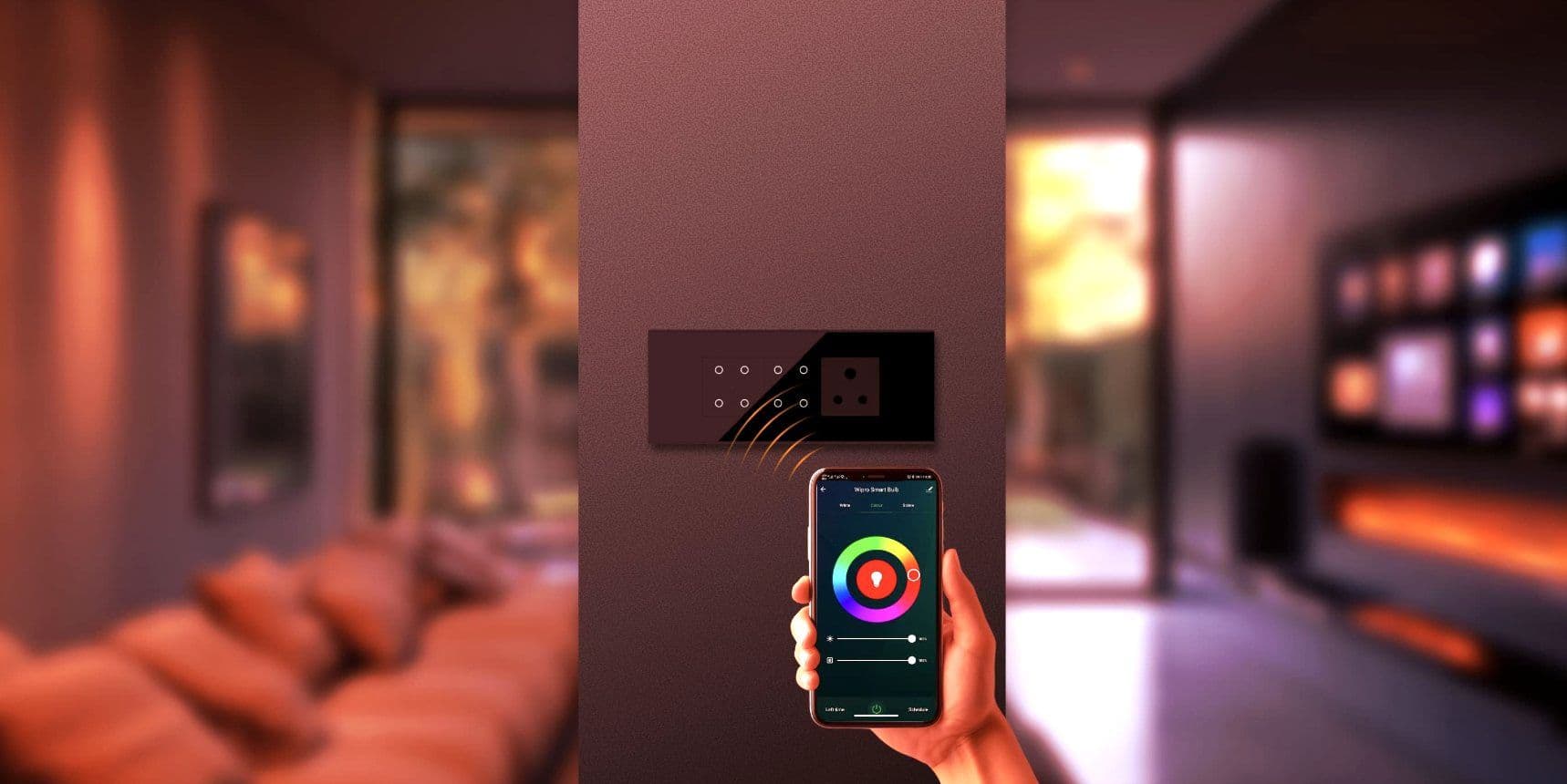
Smart switches bring convenience to modern homes by allowing lights and appliances to be controlled through smartphones or voice assistants.
These switches are becoming increasingly popular among homeowners looking to create connected, future-ready living spaces.
Benefits include:
- Remote operation
- Voice control
- Scheduling
- Home automation compatibility
6. Double Pole (DP) Switch
A Double Pole (DP) switch disconnects both the live and neutral connections simultaneously, making it suitable for appliances that require higher electrical safety.
Common uses:
- Water heaters
- Air conditioners
- Kitchen appliances
7. Weatherproof Switch
Weatherproof switches are designed to withstand moisture, dust, and outdoor conditions.
They're commonly used in areas where regular switches may be exposed to rain or humidity.
Suitable for:
- Gardens
- Balconies
- Parking areas
- Outdoor lighting
Modular vs Traditional Switches: What's the Difference?
If you're planning a new home or renovating an existing one, you'll likely come across two options: traditional switches and modular switches.
While both perform the same basic function, modular switches have become the preferred choice for modern homes due to their improved design, flexibility, and ease of maintenance.
| Feature | Modular Switch | Traditional Switch |
|---|---|---|
| Appearance | Modern and stylish | Basic design |
| Maintenance | Replace individual modules | Often replace full switch |
| Flexibility | Easy to customise | Limited |
| Best For | Modern homes & offices | Older installations |
For homeowners looking for a clean, contemporary finish, modular switches are generally the better long-term investment.
Which Switch Is Best for Each Room?
Different spaces in your home have different electrical needs. Choosing the right switch for each room improves both convenience and safety.
| Room | Recommended Switch |
|---|---|
| Bedroom | One-Way or Dimmer Switch |
| Living Room | Modular or Smart Switch |
| Staircase | Two-Way Switch |
| Kitchen | DP Switch |
| Bathroom | DP Switch & moisture-resistant accessories |
| Balcony/Garden | Weatherproof Switch |
Planning your switches room by room helps create a more practical and efficient electrical setup.
5 Tips for Choosing the Right Electrical Switches
Before purchasing switches for your home, keep these simple tips in mind:
1. Prioritise Safety
Choose switches that meet recognised quality and safety standards and are suitable for your home's electrical requirements.
2. Think Long-Term
A switch is used every day. Investing in durable products today can reduce maintenance costs later.
3. Match Your Interior Design
Switches are a visible part of every room. Modern modular designs are available in a variety of colours and finishes to complement contemporary interiors.
4. Plan for Future Needs
If you're considering home automation or adding more electrical points in the future, choose a modular system that can be upgraded easily.
5. Buy from a Trusted Brand
Reliable manufacturers focus on consistent quality, durable materials, and dependable performance—important factors for products used every day.
Frequently Asked Questions
Which type of electrical switch is most commonly used?
The one-way switch is the most common choice for residential lighting because it's simple, reliable, and suitable for everyday use.
Are modular switches better than traditional switches?
For most modern homes, yes. Modular switches offer better aesthetics, greater flexibility, and easier maintenance than traditional switch boards.
Where should a two-way switch be installed?
Two-way switches are ideal for staircases, hallways, and large bedrooms where a light needs to be controlled from two different locations.
Can I upgrade from traditional switches to modular switches?
In many cases, yes. A qualified electrician can advise whether your existing wiring and switch boards are suitable for an upgrade.
Which switches are suitable for outdoor use?
Weatherproof switches are specifically designed for outdoor areas such as balconies, gardens, parking spaces, and exterior lighting.
Final Thoughts
Choosing the right electrical switch is about more than simply turning lights on and off. The right switch improves convenience, enhances safety, and complements your home's overall design.
Whether you're building a new home or upgrading an existing one, understanding the different types of switches will help you make informed decisions for every room. From basic one-way switches to modern modular and smart solutions, selecting the right products today can improve both functionality and long-term reliability.
If you're exploring modern electrical accessories for your next project, consider modular switch solutions that combine dependable performance with contemporary design. Wipro North-West's modular switch range is designed to meet the needs of today's homes, offering solutions that balance style, quality, and everyday practicality.