
Imagine leaving home and wondering whether you switched off the lights. Or settling into bed and realising that a light in another room is still on. Small situations like these are one reason smart electrical controls are becoming increasingly relevant in modern homes.
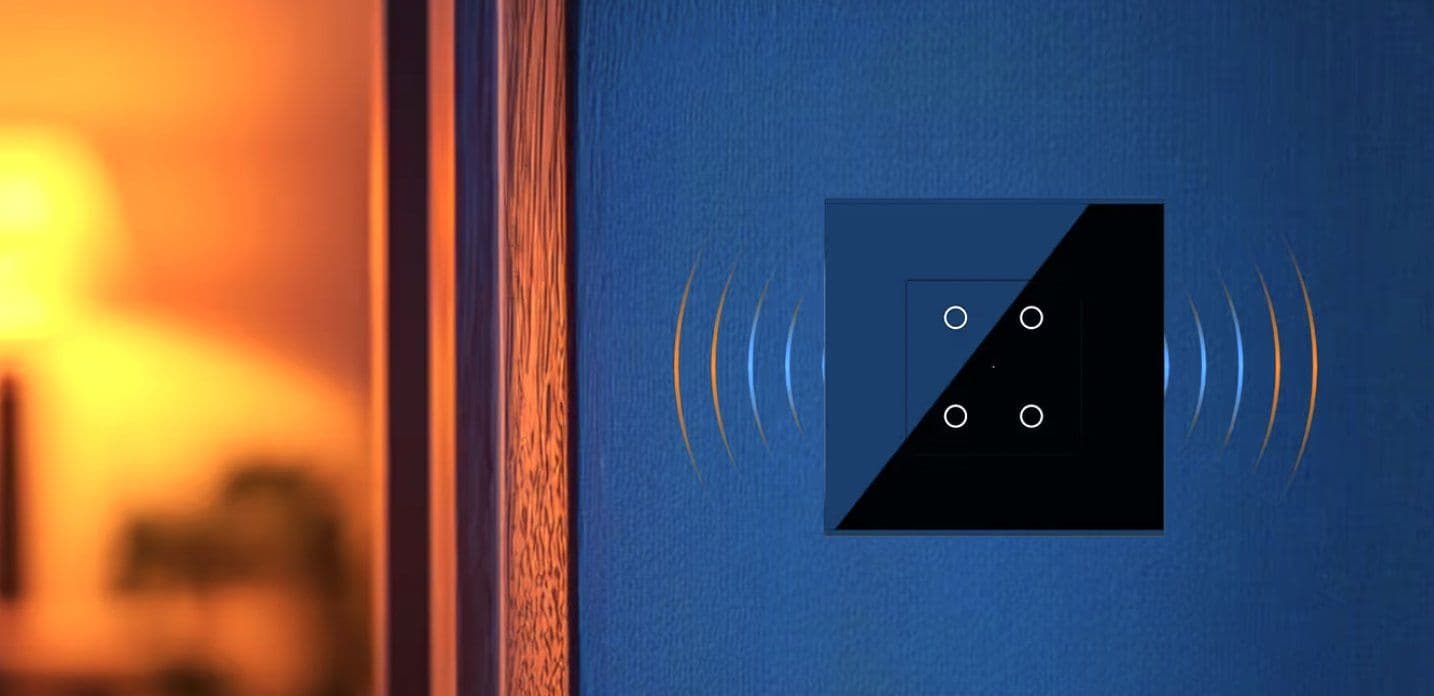
A smart switch board adds connected control to familiar wall switches. Depending on the system, compatible lights and other electrical loads may be operated through the physical switch as well as a smartphone app, voice control, schedules or automation.
But before choosing one, it helps to understand what a smart switch board actually does, how it works, what affects its price and what needs to be considered during installation.
What Is a Smart Switch Board?
A conventional switch board primarily provides manual control of electrical circuits. A smart switch board builds on that familiar function by adding connected technology.
This does not mean replacing every wall switch with a phone. Physical controls remain important for everyday use, while connected features provide additional ways to manage compatible electrical points.
For example, you may switch on a bedroom light from the wall when you enter the room and later use a connected control to switch it off. The aim is simple: more flexibility without making an everyday task unnecessarily complicated.
How Do Smart Switches Work?
Smart switches contain electronic components that allow them to communicate with a compatible connected control system while managing the electrical load connected to them.
When you use the switch on the wall, it performs the required function much like a conventional switch. Depending on the selected system, the same electrical point may also be accessible through an app or another compatible interface.
Some smart switching systems can support additional functions such as:
- Remote control of compatible electrical points
- Scheduling selected functions
- Grouping multiple controls
- Creating automated routines
- Integration with compatible smart-home ecosystems
The exact functionality varies between systems, which is why it is important to check product specifications and compatibility before deciding what to install.
Where Can Smart Switches Be Useful?
Not every electrical point in a home needs to become smart. A better approach is to identify the places where additional control would genuinely make daily routines easier.
Living rooms may benefit from coordinated lighting controls, while bedrooms can benefit from convenient access to frequently used lights or other compatible loads. In larger homes, connected controls can also make it easier to manage selected electrical points across different spaces.
For architects and interior designers, smart switching is best considered during electrical and interior planning rather than being added after the major design decisions have already been made.
Smart Switches vs Conventional Switches
The key difference is the number of ways the connected electrical point can be controlled.
A conventional switch is primarily operated manually. A compatible smart switch can retain familiar wall-based operation while adding connected functions such as remote access, scheduling or automation.
This does not mean a home has to choose one system for every room. Smart controls can be used where they provide a practical benefit, while conventional switches can continue to serve spaces where connected functionality is unnecessary.
A Smart Option from Wipro North-West
For homeowners specifically exploring smart switching within the Wipro North-West portfolio, Artisa Neo is the range positioned for smart control. Wipro North-West describes Artisa Neo as a contemporary option for connected living, with smart functions designed to work alongside the switchboard rather than replace everyday physical interaction.
According to Wipro North-West's current smart-switch information, Artisa Neo supports connected features including the Wipro Next Smart Home App, feather-touch operation, compatible voice control, scheduling and automation, and Multi Control Association. The appropriate configuration should be selected according to the home's wiring, connected loads, switchboard layout and installation requirements.
How Much Does a Smart Switch Board Cost?
There is no single smart switch board price that applies to every home. The total cost depends on the size of the setup and what you want the system to do.
Important factors include the number of smart control points, required functionality, switchboard configuration, existing wiring, selected components and installation requirements.
For this reason, comparing only the price of an individual smart switch can be misleading. A more useful approach is to first identify the rooms and electrical functions you want to make smart, assess the existing electrical setup and then determine the components required for the complete installation.
If you are considering Wipro North-West Artisa Neo, the required configuration and current pricing should be checked for the specific project rather than assuming one standard price for every installation.
Can Smart Switches Be Installed in an Existing Home?
Smart switching can be considered for both new and existing homes, but the installation requirements may be different.
In a new home or major renovation, wiring and switchboard requirements can be planned early. In an existing home, the current wiring, available switchboard space, connected loads and product requirements should be assessed before the system is selected.
This early assessment helps determine what can be installed without making unnecessary changes later.
What Happens During Smart Switch Installation?
Smart switch installation involves more than replacing the visible switch plate. The installer needs to understand the existing wiring, identify the circuits or loads that will be controlled, check the switchboard configuration and follow the technical requirements of the selected product.
After installation, both the physical controls and intended connected functions should be tested.
Because smart switches form part of a home's fixed electrical system, installation should be handled by a qualified professional and carried out according to the manufacturer's specifications.
Planning Smart Switches for a New Home or Renovation
If you are building or renovating, start with how each room will actually be used rather than asking how many smart switches you can install.
Which lights are used most often? Which controls would benefit from remote access? Are there functions you would like to schedule? Would multiple lighting points be easier to manage together?
Answering these questions can help homeowners, architects, interior designers and electrical professionals create a smarter and more practical electrical plan. It also allows switch locations, wiring, furniture and interior design to be considered together.
Choosing the Right Smart Switching Solution
A good smart switching system should make the home easier to use, not more complicated.
Before selecting one, consider compatibility with the electrical infrastructure, the functions you actually need, ease of physical operation, connected-control requirements and the appearance of the switchboard within the room.
Design is worth considering because switchboards remain visible throughout the home. Wipro North-West offers several switch ranges for different interior and functional requirements, while Artisa Neo is the range to explore when smart and connected control is part of the brief.
The right choice ultimately depends on the project—not on adding the largest possible number of smart features.
Conclusion
A smart switch board is not simply about controlling a light from a smartphone. Its real value lies in providing more flexible ways to manage everyday electrical functions while keeping familiar physical controls within easy reach.
The best setup will vary from one home to another. Some households may benefit from smart controls in only a few frequently used spaces, while others may plan connected switching as part of a larger new-home or renovation project.
For homeowners considering Wipro North-West, Artisa Neo provides a relevant smart-switching option to explore. As with any connected electrical system, the final choice should be based on actual household requirements, wiring compatibility, switchboard configuration and professional installation.
Frequently Asked Questions
What is a smart switch board?
A smart switch board combines familiar wall-based electrical control with compatible connected features. Depending on the system, these may include smartphone access, voice control, scheduling or automation.
How do smart switches work?
Smart switches use electronic components and connectivity to control compatible electrical loads while retaining physical switch operation.
What affects smart switch board price?
The total price can depend on the number of control points, required features, selected components, existing wiring, switchboard configuration and installation requirements.
Can smart switches be installed in an existing home?
Yes, depending on the existing electrical setup and the requirements of the selected system. The wiring and switchboard configuration should be assessed before installation.
Does every switch in a home need to be smart?
No. Smart controls are most useful in spaces where connected operation, scheduling or automation provides a genuine everyday benefit.
Which Wipro North-West range offers smart switching?
Wipro North-West currently positions Artisa Neo as its smart-control range. The suitable configuration should be chosen according to the electrical requirements and installation conditions of the home.
Final Thought
Smart technology works best when it quietly makes everyday life easier. Instead of making every electrical point smart simply because the technology is available, focus on the places where connected control will genuinely be useful.
With thoughtful planning, the right electrical infrastructure and a suitable smart-switch solution, connected switching can become a natural part of a modern home rather than technology added for its own sake.